Western Pacific Region
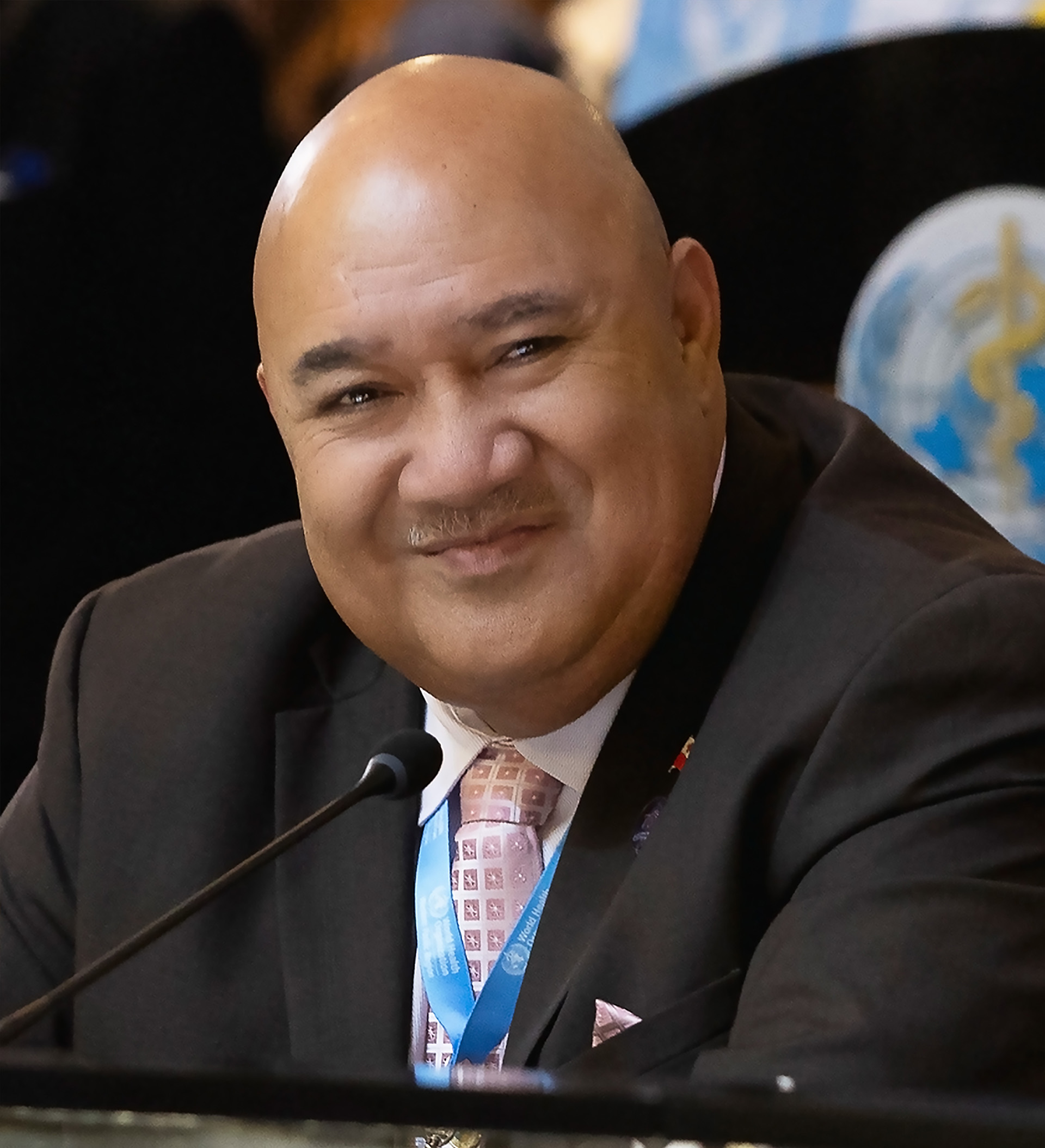 Dr Saia Ma’u Piukala
WHO Regional Director for the Western Pacific
During the 2024–2025 biennium, the World Health Organization and Member States in the Western Pacific Region renewed a shared commitment to a powerful goal: health for all. This work was guided by the global Fourteenth General Programme of Work (2025–2028) and our regional vision, which is rooted in partnership, solidarity and people-centred action: Weaving Health for Families, Communities and Societies in the Western Pacific Region (2025–2029).
Across the Region, tangible progress was achieved. From Cambodia, Fiji, Samoa and Viet Nam revising Essential Health Service Packages to strengthen primary health care, to Mongolia expanding mobile health services to reach nomadic populations in extreme climates, bringing quality care closer to communities. In Papua New Guinea, patient pathways were mapped and provincial primary health-care committees established to improve equity, while Viet Nam undertook a review of its commune health system to inform high-level reforms in financing and governance for primary health care.
Strengthening health promotion and tackling noncommunicable disease (NCD) risk factors also remained a priority. WHO supported improved surveillance and advanced regulatory, fiscal and health promotion action on unhealthy diets and the harmful use of tobacco and alcohol in Cook Islands, Lao People’s Democratic Republic, Malaysia and Viet Nam, among other countries and areas. In the Federated States of Micronesia, Solomon Islands and Tuvalu, national NCD strategies were updated; prevention and health promotion were better integrated into primary health care; and community-based approaches were expanded and tailored to local cultures and realities.
Significant gains were also made in communicable disease control and immunization. Cambodia reduced malaria incidence to just 53 indigenous cases in 2025. Fiji, Papua New Guinea and Viet Nam were validated as having eliminated trachoma as a public health problem. Across the Pacific, 21 countries and areas were verified as having eliminated endemic measles and rubella, while Cambodia, Indonesia and Viet Nam successfully transitioned to a one-dose human papillomavirus vaccine – expanding coverage while reducing costs and maintaining comparable efficacy.
Throughout the biennium, WHO stood alongside Member States in responding to emergencies and climate-related shocks. Support ranged from Typhoon Yagi relief efforts in the Lao People’s Democratic Republic, the Philippines and Viet Nam, to life-saving assistance for herder communities in Mongolia during extreme dzuds, and continued efforts to strengthen climate-resilient health systems in Fiji and Kiribati.
At the same time, our Region moved decisively to strengthen pandemic preparedness. With WHO support, Member States led national and multi-country initiatives to develop plans and secure financing through the Pandemic Fund. As a result, clearer pathways are now in place to reinforce surveillance systems, laboratory networks and emergency workforces across the Region.
Yet, 2025 was not without challenges. The announced withdrawal and suspension of funding for WHO by the United States of America created significant financial pressures at a time when health needs were growing – both in our Region and globally. In response, the Western Pacific Region acted with focus and transparency, setting 11 clear programmatic priorities to guide our work for the 2026–2027 biennium.
Amid these challenges, we also welcomed an important milestone: Indonesia’s return to the Western Pacific Region, following its official request and reassignment from the South-East Asia Region. We look forward to working closely together in the years ahead.
Throughout 2024 and 2025, WHO increased country-level investment, prioritizing tangible people-centred results on the ground. Our collective efforts focused on transforming primary health care for universal health coverage; building climate-resilient health systems and resilient communities for health security; promoting healthier lives across the life course; and harnessing technology and innovation to improve equitable access to health care.
Looking ahead, WHO stands ready to continue working with Member States, donors and partners to overcome challenges and advance health for the 2.3 billion people of the Western Pacific Region.
As Regional Director, I wish to express my sincere gratitude to all Member States, donors and partners for your steadfast collaboration during turbulent times for global health. Now more than ever, multilateral cooperation matters. Together, we can navigate uncertainty, protect hard-won gains, and build a healthier, more resilient Region and world for generations to come.
Thank you.
PROGRESS ON THE TRIPLE BILLION TARGETS
Regional Aggregation
These charts illustrate the contributions of various tracer indicators driving progress toward the Triple Billion targets for universal health coverage, health emergencies and healthier populations. Each stacked bar shows the relative contribution of these indicators over time, highlighting both gains and areas where progress has reversed. The overlaid lines indicate the net impact of outcome indicators associated with each target, providing a broader view of how health impact is evolving.
WHO CONTRIBUTION TOWARDS HEALTH OUTCOMES
Regional Aggregation Of The Output Prioritization
This table provides a regional overview of the financing and implementation of prioritized outputs. It presents planned costs, available funds and utilization, alongside the number of offices (countries, territories and areas) that have identified each output as high or medium priority.
OUTPUT SCORECARDS
WHO’s Output Scorecard Measures Its Performance For Accountability
These scorecards provide an overview of progress in the delivery of outputs across the Region. Performance is assessed across six dimensions, each with specific criteria for technical and enabling outputs. Select an outcome to explore the related scorecards.
HIGHLIGHTED RESULTS
Explore WHO’s Contribution To Health Outcomes Across The Region
- Universal health coverage
- Health emergencies protection
- Healthier populations
- Effective and efficient WHO
-
 WP-1_Accelerating communicable disease control and elimination in vulnerable and high-burden areas: Intensifying control measures to overcome final barriers
During 2024–2025, WHO supported countries and areas to accelerate communicable disease control and elimination through integrated approaches linking disease programmes with stronger surveillance systems, laboratories and PHC. Across tuberculosis (TB), HIV, viral hepatitis, sexually transmitted infections (STIs), malaria, arboviruses and neglected tropical diseases (NTDs), WHO facilitated programme reviews, enhanced partnerships and supported countries in translating global guidance into operational policies, national plans and integrated service delivery.Strengthening surveillance and data systems was a central focus. Countries improved public health intelligence through epidemiological reviews, regional dashboards and initiatives that enhanced case detection and monitoring. Expanded laboratory and diagnostic capacity, and integrated serological surveillance, improved early detection, while dashboards better informed targeted interventions and resource allocation.TB programmes strengthened diagnostic networks, surveillance and financial protection for affected households. Regional mechanisms, including second-line drug stockpiles and expert support, helped sustain treatment for drug-resistant TB. Epidemiological reviews informed updated strategies and improved case finding and treatment.HIV, viral hepatitis and STI efforts focused on improved surveillance, strategic information and integrated PHC-based service delivery. Countries conducted epidemiological reviews and strengthened prevention, diagnosis and treatment, supporting progress towards elimination targets, including elimination of mother-to-child transmission.Malaria elimination advanced through enhanced surveillance, stratification and targeted interventions. Cambodia reduced malaria to 53 indigenous cases in 2025. Preparedness for dengue and other arboviruses also improved through strengthened surveillance and vector management.Significant progress was made in NTD elimination. Progress reduced populations requiring interventions for 15 endemic NTDs, while Fiji, Papua New Guinea and Viet Nam achieved WHO validation for elimination of trachoma as a public health problem. Frontline health workers in the Marshall Islands and the Federated States of Micronesia were trained for leprosy elimination; 40 million donated medicines reached more than 20 countries for preventive chemotherapy.Papua New Guinea remained a priority due to its high disease burden, with WHO supporting joint programme reviews, strengthening malaria strategy implementation at the provincial level, improving TB and HIV surveillance, mobilizing resources, including Global Fund investments, and strengthening workforce capacities to eliminate endemic NTDs through community-led mass drug administration.Together, these efforts strengthened health systems and accelerated progress towards communicable disease control and elimination across vulnerable and high-burden settings in the Region.
WP-1_Accelerating communicable disease control and elimination in vulnerable and high-burden areas: Intensifying control measures to overcome final barriers
During 2024–2025, WHO supported countries and areas to accelerate communicable disease control and elimination through integrated approaches linking disease programmes with stronger surveillance systems, laboratories and PHC. Across tuberculosis (TB), HIV, viral hepatitis, sexually transmitted infections (STIs), malaria, arboviruses and neglected tropical diseases (NTDs), WHO facilitated programme reviews, enhanced partnerships and supported countries in translating global guidance into operational policies, national plans and integrated service delivery.Strengthening surveillance and data systems was a central focus. Countries improved public health intelligence through epidemiological reviews, regional dashboards and initiatives that enhanced case detection and monitoring. Expanded laboratory and diagnostic capacity, and integrated serological surveillance, improved early detection, while dashboards better informed targeted interventions and resource allocation.TB programmes strengthened diagnostic networks, surveillance and financial protection for affected households. Regional mechanisms, including second-line drug stockpiles and expert support, helped sustain treatment for drug-resistant TB. Epidemiological reviews informed updated strategies and improved case finding and treatment.HIV, viral hepatitis and STI efforts focused on improved surveillance, strategic information and integrated PHC-based service delivery. Countries conducted epidemiological reviews and strengthened prevention, diagnosis and treatment, supporting progress towards elimination targets, including elimination of mother-to-child transmission.Malaria elimination advanced through enhanced surveillance, stratification and targeted interventions. Cambodia reduced malaria to 53 indigenous cases in 2025. Preparedness for dengue and other arboviruses also improved through strengthened surveillance and vector management.Significant progress was made in NTD elimination. Progress reduced populations requiring interventions for 15 endemic NTDs, while Fiji, Papua New Guinea and Viet Nam achieved WHO validation for elimination of trachoma as a public health problem. Frontline health workers in the Marshall Islands and the Federated States of Micronesia were trained for leprosy elimination; 40 million donated medicines reached more than 20 countries for preventive chemotherapy.Papua New Guinea remained a priority due to its high disease burden, with WHO supporting joint programme reviews, strengthening malaria strategy implementation at the provincial level, improving TB and HIV surveillance, mobilizing resources, including Global Fund investments, and strengthening workforce capacities to eliminate endemic NTDs through community-led mass drug administration.Together, these efforts strengthened health systems and accelerated progress towards communicable disease control and elimination across vulnerable and high-burden settings in the Region. -
 WP-1_Advancing transformative primary health care by combining bottom-up and top-down approaches with subnational modelling sites in several countries
Comprehensive technical support to several Member States is furthering transformative primary health care (PHC) across the Western Pacific Region. While progress has occurred at a measured pace, WHO support targets strengthening health systems by engaging subnational authorities, integrating disease-specific and health system strengthening approaches, and reviewing patient flows.Incorporating top-down and bottom-up methods, the approach provides strategic policy guidance and establishes subnational models to advance PHC. Through policy advice, WHO has supported Cambodia, Fiji, Samoa and Viet Nam to develop and revise their Essential Health Service Packages. This work can facilitate the delineation of services across levels of the health system, clarify responsibilities for service delivery, and inform resource allocation.In parallel, WHO supports countries in developing national policies and strategies on financing PHC and digital PHC transformation. WHO also facilitates key multisectoral collaboration, including formal agreements such as memoranda of understanding between sectors. These efforts can empower local governance structures to engage actively in PHC strengthening and contribute to more unified, community-driven solutions to health challenges.In Mongolia, WHO supported efforts to expand access to PHC services through the use of mobile devices (mHealth) for hard-to-reach populations; the strengthening of sustainable PHC in extreme climate conditions; the integration of service delivery for noncommunicable diseases (NCDs) and other disease programmes; and vulnerability analyses to better target resources equitably to meet the needs of the most vulnerable at the local level.In Viet Nam, WHO collaborated with the Ministry of Health and provided technical leadership through the publication of Primary Health Care in Viet Nam: A Review of the Commune Health System, which informed a high-level WHO–Ministry of Health forum on translating evidence into policy options and reforms on essential services, financing and governance.WHO has also been instrumental in reviewing the design of care pathways in Cambodia and Papua New Guinea, mapping patient journeys from health promotion and prevention to early detection, diagnosis, treatment and rehabilitation. The optimization of these pathways will help countries strengthen continuity of care, contribute to reducing service gaps, and ultimately improve patient outcomes. The development of supporting policies – such as patient safety guidelines, referral protocols and revised scopes of practice for primary care providers – will further strengthen the framework for delivering high-quality, integrated PHC in Cambodia and Papua New Guinea.On the ground, WHO has supported the initial steps in establishing subnational PHC models that bring services closer to people. In Cambodia, decentralizing NCD care in primary health-care facilities is expected to increase access to essential services. In the Lao People’s Democratic Republic, WHO engagement with community groups is expected to enhance early detection and referral for health needs, ensuring timely interventions. Furthermore, the launch of provincial PHC committees and the development of jointly costed plans in Papua New Guinea will inform more effective resource mobilization and coordination, leading to improved equity and health outcomes.Through these comprehensive efforts, WHO is helping to build a foundation for more resilient, inclusive and effective PHC systems, ensuring that essential care is accessible to those most in need and driving improvements in health and well-being across the Region.
WP-1_Advancing transformative primary health care by combining bottom-up and top-down approaches with subnational modelling sites in several countries
Comprehensive technical support to several Member States is furthering transformative primary health care (PHC) across the Western Pacific Region. While progress has occurred at a measured pace, WHO support targets strengthening health systems by engaging subnational authorities, integrating disease-specific and health system strengthening approaches, and reviewing patient flows.Incorporating top-down and bottom-up methods, the approach provides strategic policy guidance and establishes subnational models to advance PHC. Through policy advice, WHO has supported Cambodia, Fiji, Samoa and Viet Nam to develop and revise their Essential Health Service Packages. This work can facilitate the delineation of services across levels of the health system, clarify responsibilities for service delivery, and inform resource allocation.In parallel, WHO supports countries in developing national policies and strategies on financing PHC and digital PHC transformation. WHO also facilitates key multisectoral collaboration, including formal agreements such as memoranda of understanding between sectors. These efforts can empower local governance structures to engage actively in PHC strengthening and contribute to more unified, community-driven solutions to health challenges.In Mongolia, WHO supported efforts to expand access to PHC services through the use of mobile devices (mHealth) for hard-to-reach populations; the strengthening of sustainable PHC in extreme climate conditions; the integration of service delivery for noncommunicable diseases (NCDs) and other disease programmes; and vulnerability analyses to better target resources equitably to meet the needs of the most vulnerable at the local level.In Viet Nam, WHO collaborated with the Ministry of Health and provided technical leadership through the publication of Primary Health Care in Viet Nam: A Review of the Commune Health System, which informed a high-level WHO–Ministry of Health forum on translating evidence into policy options and reforms on essential services, financing and governance.WHO has also been instrumental in reviewing the design of care pathways in Cambodia and Papua New Guinea, mapping patient journeys from health promotion and prevention to early detection, diagnosis, treatment and rehabilitation. The optimization of these pathways will help countries strengthen continuity of care, contribute to reducing service gaps, and ultimately improve patient outcomes. The development of supporting policies – such as patient safety guidelines, referral protocols and revised scopes of practice for primary care providers – will further strengthen the framework for delivering high-quality, integrated PHC in Cambodia and Papua New Guinea.On the ground, WHO has supported the initial steps in establishing subnational PHC models that bring services closer to people. In Cambodia, decentralizing NCD care in primary health-care facilities is expected to increase access to essential services. In the Lao People’s Democratic Republic, WHO engagement with community groups is expected to enhance early detection and referral for health needs, ensuring timely interventions. Furthermore, the launch of provincial PHC committees and the development of jointly costed plans in Papua New Guinea will inform more effective resource mobilization and coordination, leading to improved equity and health outcomes.Through these comprehensive efforts, WHO is helping to build a foundation for more resilient, inclusive and effective PHC systems, ensuring that essential care is accessible to those most in need and driving improvements in health and well-being across the Region. -
 WP-1_Revitalizing health financing: Enabling policy dialogue through updated financial hardship metrics
Monitoring financial hardship is a core component of assessing countries’ progress towards universal health coverage (UHC) and ensuring that access to health services does not expose households to financial distress.In March 2025, the Interagency and Expert Group on Sustainable Development Goal (SDG) Indicators approved a revised SDG indicator on financial hardship (SDG 3.8.2) to better capture the financial difficulties people face when seeking care, particularly among poorer and those most vulnerable. This revision is particularly relevant in the Western Pacific Region, where out-of-pocket health spending continues to cause hardship for an estimated 600 million people.WHO collaborated with national counterparts and the World Bank to update country-level financial hardship estimates using a revised methodology and to convene stakeholder discussions on health financing policy and reforms. WHO also produced regional analyses to examine levels, trends and drivers of financial hardship, outlining recommended policy actions to strengthen financial protection and equity. While updated estimates show reductions over time in several countries, the poorest population groups remain disproportionately affected, highlighting persistent inequalities in access to essential health services.At the country level, WHO provided tailored support to inform health financing policy discussions, shaping equity-focused narratives around financial hardship. Overall, the revised indicator and strengthened analytical capacity are enabling countries to better identify who experiences financial hardship, understand its drivers, and design more targeted, equity-focused health financing and cross-sectoral policies to advance UHC.• In the Lao People’s Democratic Republic, WHO supported implementation of the country’s health financing strategy by using financial hardship evidence to inform policy dialogue on donor transition and domestic resource mobilization, including measures to strengthen and increase the national health insurance budget.• In Indonesia, WHO supported the adoption and application of the revised SDG 3.8.2 methodology through technical guidance, workshops and briefings with ministries and statistical offices, enabling better analysis of out-of-pocket spending and financial protection, particularly among vulnerable groups, to guide policy.• In the Philippines, WHO facilitated dialogue with the Interagency Committee on Health and Nutrition Statistics on the regular production and use of financial hardship data, supporting its integration into routine SDG reporting and potential adoption for monitoring the Health Care Financing Strategy of the Philippines 2023–2028: Towards Universal Health Care.• In Viet Nam, WHO continued to support efforts to address structural drivers of out-of-pocket spending. Technical support to review the financing and governance of the Commune Health System informed high-level dialogue on rebalancing financing towards primary care, advancing payment reforms and strengthening referral systems to improve efficiency and financial protection.
WP-1_Revitalizing health financing: Enabling policy dialogue through updated financial hardship metrics
Monitoring financial hardship is a core component of assessing countries’ progress towards universal health coverage (UHC) and ensuring that access to health services does not expose households to financial distress.In March 2025, the Interagency and Expert Group on Sustainable Development Goal (SDG) Indicators approved a revised SDG indicator on financial hardship (SDG 3.8.2) to better capture the financial difficulties people face when seeking care, particularly among poorer and those most vulnerable. This revision is particularly relevant in the Western Pacific Region, where out-of-pocket health spending continues to cause hardship for an estimated 600 million people.WHO collaborated with national counterparts and the World Bank to update country-level financial hardship estimates using a revised methodology and to convene stakeholder discussions on health financing policy and reforms. WHO also produced regional analyses to examine levels, trends and drivers of financial hardship, outlining recommended policy actions to strengthen financial protection and equity. While updated estimates show reductions over time in several countries, the poorest population groups remain disproportionately affected, highlighting persistent inequalities in access to essential health services.At the country level, WHO provided tailored support to inform health financing policy discussions, shaping equity-focused narratives around financial hardship. Overall, the revised indicator and strengthened analytical capacity are enabling countries to better identify who experiences financial hardship, understand its drivers, and design more targeted, equity-focused health financing and cross-sectoral policies to advance UHC.• In the Lao People’s Democratic Republic, WHO supported implementation of the country’s health financing strategy by using financial hardship evidence to inform policy dialogue on donor transition and domestic resource mobilization, including measures to strengthen and increase the national health insurance budget.• In Indonesia, WHO supported the adoption and application of the revised SDG 3.8.2 methodology through technical guidance, workshops and briefings with ministries and statistical offices, enabling better analysis of out-of-pocket spending and financial protection, particularly among vulnerable groups, to guide policy.• In the Philippines, WHO facilitated dialogue with the Interagency Committee on Health and Nutrition Statistics on the regular production and use of financial hardship data, supporting its integration into routine SDG reporting and potential adoption for monitoring the Health Care Financing Strategy of the Philippines 2023–2028: Towards Universal Health Care.• In Viet Nam, WHO continued to support efforts to address structural drivers of out-of-pocket spending. Technical support to review the financing and governance of the Commune Health System informed high-level dialogue on rebalancing financing towards primary care, advancing payment reforms and strengthening referral systems to improve efficiency and financial protection. -
 WP-1_Securing immunization progress: Targeted efforts to sustain coverage and prevent setbacks
During the 2024–2025 biennium, the Western Pacific Region made substantial progress in vaccine-preventable diseases and immunization (VDI) programmes, fully aligned with the Regional Strategic Framework for Vaccine-preventable Diseases and Immunization in the Western Pacific (2021–2030) and the Immunization Agenda 2030. WHO provided strategic direction and technical support to strengthen national immunization programmes in priority countries and areas.Progress was evident across many areas of work; however, the withdrawal of the United States of America resulted in critical funding gaps, hindering WHO support and programme operations in the Western Pacific Region. As a result, the Region is off track on a few critical global and regional indicators. However, through in-depth analytical work, consultations and data-driven planning with a focus on equity, WHO has supported countries in identifying and reaching underserved populations.WHO contributions expanded into comprehensive national programme reviews and assessments in countries such as Cambodia, the Lao People’s Democratic Republic and the Solomon Islands. To support long-term system strengthening, WHO coordinated and supported the development or updating of national immunization strategies in Indonesia, the Lao People’s Democratic Republic, the Federated States of Micronesia, the Philippines and the Solomon Islands.WHO also provided technical support to assess the maturity of national immunization technical advisory groups (NITAGs) in Brunei Darussalam, the Lao People’s Democratic Republic and Malaysia, and facilitated the establishment of NITAGs in Cambodia, the Philippines and Viet Nam, thereby further supporting progress in immunization programmes. In addition, WHO provided support to increase immunization coverage by conducting catch-up vaccination campaigns in several countries, including a widespread campaign in the Solomon Islands. WHO assisted countries in introducing new and underutilized vaccines, including supporting the transition to a one-dose human papillomavirus (HPV) vaccination schedule in Cambodia, Indonesia, Viet Nam and several Pacific countries.WHO further supported improvements in immunization data quality through capacity-building in immunization and surveillance systems in many countries and upgrades to electronic immunization registers, including conducting Expanded Programme on Immunization (EPI) coverage assessments in Fiji and Indonesia. The WHO Regional Office developed the monitoring framework for the Regional Strategic Framework, enabling systematic tracking of progress across all strategic objectives. The Region achieved a reduction of nearly 100 000 zero-dose children between 2023 and 2024. Regional totals increased in 2024 with the addition of Indonesia to the Western Pacific Region.WHO and Member States also celebrated a major achievement with the verification of the elimination of endemic measles and rubella in 21 Pacific island countries and areas in 2025: American Samoa, Cook Islands, Fiji, French Polynesia, Guam, Kiribati, Marshall Islands, the Federated States of Micronesia, Nauru, New Caledonia, Niue, the Commonwealth of the Northern Mariana Islands, Palau, Pitcairn Islands, Samoa, Solomon Islands, Tokelau, Tonga, Tuvalu, Vanuatu, and Wallis and Futuna. As a result, 29 countries and areas in the Region have now reached elimination status.Collectively, these accomplishments represent significant steps towards building sustainable and resilient immunization systems with stronger policies and effective strategies, greater equity, improved coverage and higher-quality monitoring to reduce the burden of vaccine-preventable diseases across the Western Pacific Region.
WP-1_Securing immunization progress: Targeted efforts to sustain coverage and prevent setbacks
During the 2024–2025 biennium, the Western Pacific Region made substantial progress in vaccine-preventable diseases and immunization (VDI) programmes, fully aligned with the Regional Strategic Framework for Vaccine-preventable Diseases and Immunization in the Western Pacific (2021–2030) and the Immunization Agenda 2030. WHO provided strategic direction and technical support to strengthen national immunization programmes in priority countries and areas.Progress was evident across many areas of work; however, the withdrawal of the United States of America resulted in critical funding gaps, hindering WHO support and programme operations in the Western Pacific Region. As a result, the Region is off track on a few critical global and regional indicators. However, through in-depth analytical work, consultations and data-driven planning with a focus on equity, WHO has supported countries in identifying and reaching underserved populations.WHO contributions expanded into comprehensive national programme reviews and assessments in countries such as Cambodia, the Lao People’s Democratic Republic and the Solomon Islands. To support long-term system strengthening, WHO coordinated and supported the development or updating of national immunization strategies in Indonesia, the Lao People’s Democratic Republic, the Federated States of Micronesia, the Philippines and the Solomon Islands.WHO also provided technical support to assess the maturity of national immunization technical advisory groups (NITAGs) in Brunei Darussalam, the Lao People’s Democratic Republic and Malaysia, and facilitated the establishment of NITAGs in Cambodia, the Philippines and Viet Nam, thereby further supporting progress in immunization programmes. In addition, WHO provided support to increase immunization coverage by conducting catch-up vaccination campaigns in several countries, including a widespread campaign in the Solomon Islands. WHO assisted countries in introducing new and underutilized vaccines, including supporting the transition to a one-dose human papillomavirus (HPV) vaccination schedule in Cambodia, Indonesia, Viet Nam and several Pacific countries.WHO further supported improvements in immunization data quality through capacity-building in immunization and surveillance systems in many countries and upgrades to electronic immunization registers, including conducting Expanded Programme on Immunization (EPI) coverage assessments in Fiji and Indonesia. The WHO Regional Office developed the monitoring framework for the Regional Strategic Framework, enabling systematic tracking of progress across all strategic objectives. The Region achieved a reduction of nearly 100 000 zero-dose children between 2023 and 2024. Regional totals increased in 2024 with the addition of Indonesia to the Western Pacific Region.WHO and Member States also celebrated a major achievement with the verification of the elimination of endemic measles and rubella in 21 Pacific island countries and areas in 2025: American Samoa, Cook Islands, Fiji, French Polynesia, Guam, Kiribati, Marshall Islands, the Federated States of Micronesia, Nauru, New Caledonia, Niue, the Commonwealth of the Northern Mariana Islands, Palau, Pitcairn Islands, Samoa, Solomon Islands, Tokelau, Tonga, Tuvalu, Vanuatu, and Wallis and Futuna. As a result, 29 countries and areas in the Region have now reached elimination status.Collectively, these accomplishments represent significant steps towards building sustainable and resilient immunization systems with stronger policies and effective strategies, greater equity, improved coverage and higher-quality monitoring to reduce the burden of vaccine-preventable diseases across the Western Pacific Region. -
 WP-2_International Health Regulations event notification periods reduced from 20 to two days
In 2024 and 2025, disease surveillance and response systems across the Western Pacific Region were tested. The Region experienced acute outbreaks of mosquito-borne pathogens (dengue and chikungunya), vaccine-preventable diseases (polio, measles and pertussis) and high-threat pathogens (HIV, anthrax and mpox).By advancing preparedness and response capacities, countries demonstrated early detection, timely notification and rapid response. For example, in 2023 the interval between the emergence of a health threat and its official notification under the International Health Regulations (IHR) was 20 days; this was reduced to 48 hours by 2025. Additionally, measles and rubella testing capacity increased by 400% in the South Pacific, with 85% of Pacific island populations now having access to more timely in-country testing capacity.WHO supported these achievements through advancing:Collaborative surveillance: WHO supported countries in updating surveillance system protocols, improving electronic reporting systems and leveraging artificial intelligence (AI), including Epidemic Intelligence from Open Sources (EIOS). EIOS enables real-time online monitoring and automated data triage, ensuring that early signals of an outbreak are detected before cases escalate. With WHO support, the EIOS network expanded from six to 14 active communities, creating a seamless web of information sharing.Networks of shared expertise and solidarity: WHO leveraged its convening power to establish 16 communities of practice – uniting more than 7000 health professionals – that now provide a trove of regional expertise. From 2024–2025, these communities responded to regional outbreaks of mpox, dengue, chikungunya and avian influenza. Additionally, WHO enabled regional alignment on priorities for disease control and system strengthening by convening ministries of health, technical advisory groups, laboratory networks and IHR national focal points.Partnerships for rapid response: WHO leveraged regional partnerships for emergency responses, including emergency medical teams (EMTs), the Global Outbreak Alert and Response Network (GOARN) and the Global Polio Eradication Initiative (GPEI).• Expanded EMT networks responded to earthquakes and typhoons across the Region.• GOARN was mobilized eight times in two years, providing critical support for measles in Viet Nam and Mongolia, and HIV in Fiji.• GPEI and regional partners supported surveillance efforts and vaccination campaigns following the detection of poliovirus in Papua New Guinea and the Lao People’s Democratic Republic.With WHO support, these partnerships have grown to strengthen regional surge capacity. The number of internationally classified EMTs increased by 38% to 18 teams, while GOARN expanded from 77 to 87 institutions.Through these efforts, countries and areas in the Western Pacific Region are no longer only responding to emerging threats; they are increasingly equipped to anticipate and respond rapidly.
WP-2_International Health Regulations event notification periods reduced from 20 to two days
In 2024 and 2025, disease surveillance and response systems across the Western Pacific Region were tested. The Region experienced acute outbreaks of mosquito-borne pathogens (dengue and chikungunya), vaccine-preventable diseases (polio, measles and pertussis) and high-threat pathogens (HIV, anthrax and mpox).By advancing preparedness and response capacities, countries demonstrated early detection, timely notification and rapid response. For example, in 2023 the interval between the emergence of a health threat and its official notification under the International Health Regulations (IHR) was 20 days; this was reduced to 48 hours by 2025. Additionally, measles and rubella testing capacity increased by 400% in the South Pacific, with 85% of Pacific island populations now having access to more timely in-country testing capacity.WHO supported these achievements through advancing:Collaborative surveillance: WHO supported countries in updating surveillance system protocols, improving electronic reporting systems and leveraging artificial intelligence (AI), including Epidemic Intelligence from Open Sources (EIOS). EIOS enables real-time online monitoring and automated data triage, ensuring that early signals of an outbreak are detected before cases escalate. With WHO support, the EIOS network expanded from six to 14 active communities, creating a seamless web of information sharing.Networks of shared expertise and solidarity: WHO leveraged its convening power to establish 16 communities of practice – uniting more than 7000 health professionals – that now provide a trove of regional expertise. From 2024–2025, these communities responded to regional outbreaks of mpox, dengue, chikungunya and avian influenza. Additionally, WHO enabled regional alignment on priorities for disease control and system strengthening by convening ministries of health, technical advisory groups, laboratory networks and IHR national focal points.Partnerships for rapid response: WHO leveraged regional partnerships for emergency responses, including emergency medical teams (EMTs), the Global Outbreak Alert and Response Network (GOARN) and the Global Polio Eradication Initiative (GPEI).• Expanded EMT networks responded to earthquakes and typhoons across the Region.• GOARN was mobilized eight times in two years, providing critical support for measles in Viet Nam and Mongolia, and HIV in Fiji.• GPEI and regional partners supported surveillance efforts and vaccination campaigns following the detection of poliovirus in Papua New Guinea and the Lao People’s Democratic Republic.With WHO support, these partnerships have grown to strengthen regional surge capacity. The number of internationally classified EMTs increased by 38% to 18 teams, while GOARN expanded from 77 to 87 institutions.Through these efforts, countries and areas in the Western Pacific Region are no longer only responding to emerging threats; they are increasingly equipped to anticipate and respond rapidly. -
 WP-2_Pandemic Fund mobilized across 89% of eligible countries to strengthen health security systems
Across the Western Pacific Region, countries and areas face an increasing number and range of public health threats, including infectious diseases, antimicrobial resistance, food safety events, extreme weather events and technological hazards. These challenges are particularly acute in Pacific island countries and areas (PICS), where climate-related shocks and limited access to resources compound vulnerability to public health risks.To address these challenges, WHO provides technical leadership to support countries in conducting comprehensive health security capacity and risk assessments. These include the International Health Regulations (IHR) States Parties Self-Assessment Annual Reporting (SPAR), Joint External Evaluations (JEEs), the Strategic Toolkit for Assessing Risks (STAR) and IHR–Performance of Veterinary Services (PVS) National Bridging Workshops, which link assessments of human and animal health systems. Together, these tools generate a robust, multisectoral evidence base to identify and prioritize critical gaps in core capacities for public health emergency prevention, preparedness and response, while strengthening national ownership and coordination.This evidence has proven decisive in translating technical needs into actionable investment priorities. During this biennium, WHO supported countries’ assessments of IHR core capacities, with the Region achieving near-universal SPAR reporting in 2024 (96% for 2023 data) and full reporting in 2025 (100% for 2024 data). Nine countries were supported to conduct JEEs, including four PICS undertaking JEEs for the first time. Combined with findings from STAR, IHR–PVS National Bridging Workshops and complementary assessments, these processes provide the technical foundation required to access large-scale external financing.A key outcome was the mobilization of resources through the Pandemic Fund, a global financing mechanism launched in 2022 to support countries in strengthening critical systems for pandemic prevention, preparedness and response. Through WHO-supported assessments, countries were better positioned to secure grant financing for high-impact priorities, including surveillance, laboratory systems and emergency workforce development.As a result, WHO-led capacity and risk assessments have catalysed more than US$ 168 million in Pandemic Fund financing across 89% (15 out of 17) of eligible countries in the Western Pacific Region. These investments are already strengthening surveillance, laboratory networks, emergency workforce capacity and preparedness planning, with longer-term impacts expected to enhance early detection, rapid response and equitable protection of the most vulnerable.Collectively, these results underscore the catalytic role of WHO in converting technical evidence into sustained financing and measurable gains in pandemic preparedness and response across the Western Pacific Region.
WP-2_Pandemic Fund mobilized across 89% of eligible countries to strengthen health security systems
Across the Western Pacific Region, countries and areas face an increasing number and range of public health threats, including infectious diseases, antimicrobial resistance, food safety events, extreme weather events and technological hazards. These challenges are particularly acute in Pacific island countries and areas (PICS), where climate-related shocks and limited access to resources compound vulnerability to public health risks.To address these challenges, WHO provides technical leadership to support countries in conducting comprehensive health security capacity and risk assessments. These include the International Health Regulations (IHR) States Parties Self-Assessment Annual Reporting (SPAR), Joint External Evaluations (JEEs), the Strategic Toolkit for Assessing Risks (STAR) and IHR–Performance of Veterinary Services (PVS) National Bridging Workshops, which link assessments of human and animal health systems. Together, these tools generate a robust, multisectoral evidence base to identify and prioritize critical gaps in core capacities for public health emergency prevention, preparedness and response, while strengthening national ownership and coordination.This evidence has proven decisive in translating technical needs into actionable investment priorities. During this biennium, WHO supported countries’ assessments of IHR core capacities, with the Region achieving near-universal SPAR reporting in 2024 (96% for 2023 data) and full reporting in 2025 (100% for 2024 data). Nine countries were supported to conduct JEEs, including four PICS undertaking JEEs for the first time. Combined with findings from STAR, IHR–PVS National Bridging Workshops and complementary assessments, these processes provide the technical foundation required to access large-scale external financing.A key outcome was the mobilization of resources through the Pandemic Fund, a global financing mechanism launched in 2022 to support countries in strengthening critical systems for pandemic prevention, preparedness and response. Through WHO-supported assessments, countries were better positioned to secure grant financing for high-impact priorities, including surveillance, laboratory systems and emergency workforce development.As a result, WHO-led capacity and risk assessments have catalysed more than US$ 168 million in Pandemic Fund financing across 89% (15 out of 17) of eligible countries in the Western Pacific Region. These investments are already strengthening surveillance, laboratory networks, emergency workforce capacity and preparedness planning, with longer-term impacts expected to enhance early detection, rapid response and equitable protection of the most vulnerable.Collectively, these results underscore the catalytic role of WHO in converting technical evidence into sustained financing and measurable gains in pandemic preparedness and response across the Western Pacific Region. -
 WP-3_Climate-proof health systems: Engineering systems to withstand climate impacts and deliver uncompromised health services
WHO provided technical guidance and policy support to countries and areas in the Western Pacific Region to accelerate action on climate-resilient health systems.In Fiji, WHO supported the development and operationalization of the Health National Adaptation Plan (HNAP) and a strategy on health co-benefits, enabling evidence-based prioritization of climate-sensitive health interventions. In Vanuatu, WHO led the design, drafting and launch of the HNAP 2025–2030, strengthening political commitment and aligning national priorities with global climate and health frameworks. In the Lao People’s Democratic Republic, technical support informed the HNAP 2026–2030, national training modules and environmental health standards, establishing a foundation for climate-resilient and environmentally sustainable health facilities. WHO contributed to China’s National Climate Change Health Adaptation Action Plan (2024–2030) by supporting the development of standards, guidelines and frameworks that reinforce national governance for climate and health. In Tuvalu and the Marshall Islands, assessments of the climate resilience of health facilities generated actionable recommendations that will inform future policy development. These policy outputs offer strategic direction, support resource mobilization and embed climate resilience within national health planning processes.WHO also provided support to strengthen surveillance and early warning systems for climate-related events. Activities included digitizing Fiji’s national notifiable disease surveillance system, expanding connectivity and the use of the District Health Information System (DHIS2) in Kiribati and the Solomon Islands, enhancing air quality surveillance across all provinces of the Lao People’s Democratic Republic, and conducting a nationwide climate and health capacity assessment in China. These contributions improve early outbreak detection, strengthen risk forecasting and enable targeted public health responses, ultimately reducing morbidity and mortality from climate-sensitive diseases.WHO technical guidance and tools supported major improvements in health infrastructure. Fiji undertook a nationwide climate hazard and vulnerability assessment, informing solarization and retrofitting across 18 high-risk facilities. Kiribati strengthened health facility resilience through assessments, installation of solar power equipment, upgrades and extensions of Starlink connectivity to remote islands. The Lao People’s Democratic Republic scaled up the “Safe-Clean-Green and Climate Resilient Healthcare Facilities Initiative” nationwide. These upgrades help ensure continuity of essential services during climate-related shocks, reduce service disruptions and safeguard patient safety.The Secretariat also strengthened workforce and community capacity. Activities included laboratory and climate health training in Fiji; outbreak and GIS training in Kiribati; water, sanitation and hygiene (WASH) and environmental health training across the Lao People’s Democratic Republic; and research and communication support in China. Regional practical training through the Western Pacific Action Forum further enhanced implementation skills. These strengthened capacities improve emergency preparedness, outbreak management and community resilience.Through its convening role, including through the Alliance for Transformative Action on Climate and Health, WHO continues to support collective progress towards climate-resilient health systems and improved health outcomes.
WP-3_Climate-proof health systems: Engineering systems to withstand climate impacts and deliver uncompromised health services
WHO provided technical guidance and policy support to countries and areas in the Western Pacific Region to accelerate action on climate-resilient health systems.In Fiji, WHO supported the development and operationalization of the Health National Adaptation Plan (HNAP) and a strategy on health co-benefits, enabling evidence-based prioritization of climate-sensitive health interventions. In Vanuatu, WHO led the design, drafting and launch of the HNAP 2025–2030, strengthening political commitment and aligning national priorities with global climate and health frameworks. In the Lao People’s Democratic Republic, technical support informed the HNAP 2026–2030, national training modules and environmental health standards, establishing a foundation for climate-resilient and environmentally sustainable health facilities. WHO contributed to China’s National Climate Change Health Adaptation Action Plan (2024–2030) by supporting the development of standards, guidelines and frameworks that reinforce national governance for climate and health. In Tuvalu and the Marshall Islands, assessments of the climate resilience of health facilities generated actionable recommendations that will inform future policy development. These policy outputs offer strategic direction, support resource mobilization and embed climate resilience within national health planning processes.WHO also provided support to strengthen surveillance and early warning systems for climate-related events. Activities included digitizing Fiji’s national notifiable disease surveillance system, expanding connectivity and the use of the District Health Information System (DHIS2) in Kiribati and the Solomon Islands, enhancing air quality surveillance across all provinces of the Lao People’s Democratic Republic, and conducting a nationwide climate and health capacity assessment in China. These contributions improve early outbreak detection, strengthen risk forecasting and enable targeted public health responses, ultimately reducing morbidity and mortality from climate-sensitive diseases.WHO technical guidance and tools supported major improvements in health infrastructure. Fiji undertook a nationwide climate hazard and vulnerability assessment, informing solarization and retrofitting across 18 high-risk facilities. Kiribati strengthened health facility resilience through assessments, installation of solar power equipment, upgrades and extensions of Starlink connectivity to remote islands. The Lao People’s Democratic Republic scaled up the “Safe-Clean-Green and Climate Resilient Healthcare Facilities Initiative” nationwide. These upgrades help ensure continuity of essential services during climate-related shocks, reduce service disruptions and safeguard patient safety.The Secretariat also strengthened workforce and community capacity. Activities included laboratory and climate health training in Fiji; outbreak and GIS training in Kiribati; water, sanitation and hygiene (WASH) and environmental health training across the Lao People’s Democratic Republic; and research and communication support in China. Regional practical training through the Western Pacific Action Forum further enhanced implementation skills. These strengthened capacities improve emergency preparedness, outbreak management and community resilience.Through its convening role, including through the Alliance for Transformative Action on Climate and Health, WHO continues to support collective progress towards climate-resilient health systems and improved health outcomes. -
 WP-3_Strengthening integrated health promotion, prevention and management of noncommunicable diseases
During 2024–2025, WHO demonstrated its leadership in strengthening regional capacity in the Western Pacific to prevent and control NCDs and injuries, while also promoting healthy ageing and addressing social determinants of health. This combined high-level advocacy and multisectoral coordination on NCD risk factors and social determinants, along with targeted technical support, enabled countries to advance policy actions across tobacco, alcohol, unhealthy diets and injury prevention. Governance was reinforced through the regional NCD Technical Advisory Group, which helped identify policy bottlenecks, guide upstream prevention and align regional priorities. In parallel, WHO provided regulatory and technical guidance to support governments in adopting international best practices in tobacco control, alcohol policy and diet-related interventions, while also advancing action on social determinants of health and healthy ageing, including age-friendly environments throughout the life course.A major milestone was the adoption of a new alcohol control resolution at the October 2025 session of the Regional Committee for the Western Pacific. The resolution (WPR/RC76.R4) spurred actions to reduce alcohol affordability, availability and marketing, strengthen drink–driving measures and expand access to treatment. These measures are part of the WHO regional “Alcohol Leaves a Mark” campaign, launched in 2025 to highlight the harms of alcohol and advocate stronger regulations to protect health and well-being. WHO technical assistance emphasized evidence-based policy-making, including regulatory guidance on e-cigarettes and emerging tobacco and nicotine products, fiscal and nutrition policy analysis, strategic communications support, and policy dialogue on social and commercial determinants of health. These efforts helped countries adapt global recommendations to national contexts and communicate the case for prevention more effectively.Country-level support translated regional commitments into concrete reforms across Cook Islands, the Lao People’s Democratic Republic, Malaysia and Viet Nam through, for example, support to revise tobacco control legislation, develop nutrition profiling systems and strengthen fiscal policy analysis, alongside e-cigarette bans, investment restrictions and strengthened implementation in Pacific countries. WHO also advanced healthy diet and alcohol policies, supported surveillance and accelerated cross-country learning on NCD prevention interventions and healthy settings approaches.At the service delivery level, WHO supported Member States in expanding access to essential NCD interventions through strengthened primary health-care platforms and more equitable access to prevention and care. This included rolling out the WHO Package of Essential NCD Services and supporting cardiovascular and diabetes service models such as the Healthy Hearts Programme, diabetic foot care, cancer control, integrated eye and ear health, and lifestyle behaviour-change clinics, in order to improve early detection, treatment initiation and continuity of care. WHO also reinforced workforce capacity and quality assurance through targeted training, structured implementation support and expanded use of digital applications to monitor people living with NCDs and track service performance, thereby driving quality improvement.For mental health and substance use, WHO helped countries scale up Mental Health Gap Action Programme (mhGAP) implementation, integrate mental health into primary and community-based care, and expand basic service delivery for common mental health conditions. WHO provided technical support to develop and operationalize national suicide prevention strategies and strengthened mental health and psychosocial support training and systems, improving accessibility, service quality and sustained follow-up across countries and communities.
WP-3_Strengthening integrated health promotion, prevention and management of noncommunicable diseases
During 2024–2025, WHO demonstrated its leadership in strengthening regional capacity in the Western Pacific to prevent and control NCDs and injuries, while also promoting healthy ageing and addressing social determinants of health. This combined high-level advocacy and multisectoral coordination on NCD risk factors and social determinants, along with targeted technical support, enabled countries to advance policy actions across tobacco, alcohol, unhealthy diets and injury prevention. Governance was reinforced through the regional NCD Technical Advisory Group, which helped identify policy bottlenecks, guide upstream prevention and align regional priorities. In parallel, WHO provided regulatory and technical guidance to support governments in adopting international best practices in tobacco control, alcohol policy and diet-related interventions, while also advancing action on social determinants of health and healthy ageing, including age-friendly environments throughout the life course.A major milestone was the adoption of a new alcohol control resolution at the October 2025 session of the Regional Committee for the Western Pacific. The resolution (WPR/RC76.R4) spurred actions to reduce alcohol affordability, availability and marketing, strengthen drink–driving measures and expand access to treatment. These measures are part of the WHO regional “Alcohol Leaves a Mark” campaign, launched in 2025 to highlight the harms of alcohol and advocate stronger regulations to protect health and well-being. WHO technical assistance emphasized evidence-based policy-making, including regulatory guidance on e-cigarettes and emerging tobacco and nicotine products, fiscal and nutrition policy analysis, strategic communications support, and policy dialogue on social and commercial determinants of health. These efforts helped countries adapt global recommendations to national contexts and communicate the case for prevention more effectively.Country-level support translated regional commitments into concrete reforms across Cook Islands, the Lao People’s Democratic Republic, Malaysia and Viet Nam through, for example, support to revise tobacco control legislation, develop nutrition profiling systems and strengthen fiscal policy analysis, alongside e-cigarette bans, investment restrictions and strengthened implementation in Pacific countries. WHO also advanced healthy diet and alcohol policies, supported surveillance and accelerated cross-country learning on NCD prevention interventions and healthy settings approaches.At the service delivery level, WHO supported Member States in expanding access to essential NCD interventions through strengthened primary health-care platforms and more equitable access to prevention and care. This included rolling out the WHO Package of Essential NCD Services and supporting cardiovascular and diabetes service models such as the Healthy Hearts Programme, diabetic foot care, cancer control, integrated eye and ear health, and lifestyle behaviour-change clinics, in order to improve early detection, treatment initiation and continuity of care. WHO also reinforced workforce capacity and quality assurance through targeted training, structured implementation support and expanded use of digital applications to monitor people living with NCDs and track service performance, thereby driving quality improvement.For mental health and substance use, WHO helped countries scale up Mental Health Gap Action Programme (mhGAP) implementation, integrate mental health into primary and community-based care, and expand basic service delivery for common mental health conditions. WHO provided technical support to develop and operationalize national suicide prevention strategies and strengthened mental health and psychosocial support training and systems, improving accessibility, service quality and sustained follow-up across countries and communities. -
 WP-4_Efficient and agile enabling environment: Build more performing, agile, and sustainable region to deliver results efficiently
During the final stage of the global WHO Thirteenth General Programme of Work (2019–2025), the Western Pacific Region navigated an increasingly tight and unpredictable funding environment. In the Region, the withdrawal of the United States of America resulted in a reduction of about US$ 29 million in 2025 alone, including a salary gap of US$ 9 million. The budget space for 2026–2027 was reduced by 15%, or about US$ 61 million, from the initial proposal. The base programme budget (PB) for 2026–2027 now stands at US$ 380.6 million, representing a 7% reduction from the previous biennium.WHO acted quickly, implementing cost-saving measures across all major cost drivers and instituting a hiring freeze, while mobilizing new resources and undertaking reforms to make the Organization more agile and resilient. Cost-saving efforts in 2025 produced significant savings, including US$ 7 million from reduced travel and increased use of virtual meetings. At the same time, WHO advanced its digital vision by rolling out the Business Management System (BMS) in phases, launching a global key performance indicators dashboard and expanding AI-powered tools. These efforts included deploying more than 500 Copilot licences and integrating an AI chatbot into an updated intranet system.WHO sharpened the focus of its work for 2026–2027 by allocating over 70% of the technical budget space to 11 high-priority technical outputs, out of the 29 technical outputs in the Fourteenth General Programme of Work (2025–2028). Through this reprioritization exercise, WHO in the Region protected and strengthened its country-focused approach. The budget space allocated to country budget centres rose to 68% in 2026–2027 from 61% in 2024–2025, ensuring that support flowed to the front lines where it matters most, even in times of crisis.WHO also continued to strengthen accountability and internal control management practices, aiming to build trust and reinforce leadership in the health sector. For example, the WHO Representative Office for Mongolia focused on strengthening internal capacity for accountable and trusted technical and operational leadership on the ground. The Region also deepened country engagement in the Federated States of Micronesia by enhancing leadership presence, and Cambodia improved financial oversight through the completion of assessments and strengthened internal control practices.To further optimize resources, WHO launched the Funds Available for Realignment (FAR) mechanism, pooling savings and unspent flexible funds for rapid reallocation to support high-impact work aligned with regional priorities. This approach helped achieve a 99% utilization rate of flexible funds and a 96% overall utilization rate for PB 2024–2025. Innovation and financial agility have made the Region more responsive and better equipped to meet emerging needs.Operational resilience grew stronger through initiatives such as the Solutions Lab and the establishment of the Project Management Group (PMG). The Solutions Lab led integrated change management, streamlined administrative processes and accelerated digital adoption. The PMG provided surge support to WHO country offices, clearing procurement and recruitment bottlenecks and increasing donor confidence. These efforts notably accelerated projects in Fiji and Kiribati, reaffirming the Region’s ability to deliver under challenging circumstances.
WP-4_Efficient and agile enabling environment: Build more performing, agile, and sustainable region to deliver results efficiently
During the final stage of the global WHO Thirteenth General Programme of Work (2019–2025), the Western Pacific Region navigated an increasingly tight and unpredictable funding environment. In the Region, the withdrawal of the United States of America resulted in a reduction of about US$ 29 million in 2025 alone, including a salary gap of US$ 9 million. The budget space for 2026–2027 was reduced by 15%, or about US$ 61 million, from the initial proposal. The base programme budget (PB) for 2026–2027 now stands at US$ 380.6 million, representing a 7% reduction from the previous biennium.WHO acted quickly, implementing cost-saving measures across all major cost drivers and instituting a hiring freeze, while mobilizing new resources and undertaking reforms to make the Organization more agile and resilient. Cost-saving efforts in 2025 produced significant savings, including US$ 7 million from reduced travel and increased use of virtual meetings. At the same time, WHO advanced its digital vision by rolling out the Business Management System (BMS) in phases, launching a global key performance indicators dashboard and expanding AI-powered tools. These efforts included deploying more than 500 Copilot licences and integrating an AI chatbot into an updated intranet system.WHO sharpened the focus of its work for 2026–2027 by allocating over 70% of the technical budget space to 11 high-priority technical outputs, out of the 29 technical outputs in the Fourteenth General Programme of Work (2025–2028). Through this reprioritization exercise, WHO in the Region protected and strengthened its country-focused approach. The budget space allocated to country budget centres rose to 68% in 2026–2027 from 61% in 2024–2025, ensuring that support flowed to the front lines where it matters most, even in times of crisis.WHO also continued to strengthen accountability and internal control management practices, aiming to build trust and reinforce leadership in the health sector. For example, the WHO Representative Office for Mongolia focused on strengthening internal capacity for accountable and trusted technical and operational leadership on the ground. The Region also deepened country engagement in the Federated States of Micronesia by enhancing leadership presence, and Cambodia improved financial oversight through the completion of assessments and strengthened internal control practices.To further optimize resources, WHO launched the Funds Available for Realignment (FAR) mechanism, pooling savings and unspent flexible funds for rapid reallocation to support high-impact work aligned with regional priorities. This approach helped achieve a 99% utilization rate of flexible funds and a 96% overall utilization rate for PB 2024–2025. Innovation and financial agility have made the Region more responsive and better equipped to meet emerging needs.Operational resilience grew stronger through initiatives such as the Solutions Lab and the establishment of the Project Management Group (PMG). The Solutions Lab led integrated change management, streamlined administrative processes and accelerated digital adoption. The PMG provided surge support to WHO country offices, clearing procurement and recruitment bottlenecks and increasing donor confidence. These efforts notably accelerated projects in Fiji and Kiribati, reaffirming the Region’s ability to deliver under challenging circumstances. -
 WP-4_From assessment to action: Leveraging the WHO strategic framework to strengthen national health information systems, known as SCORE, to accelerate progress
Countries face markedly different levels of health information system (HIS) capacity. While some countries can routinely generate, analyse and use high-quality data to inform policy and improve population health outcomes, others continue to experience foundational challenges related to data availability, quality, integration and use.To respond to these complex needs, WHO launched the SCORE for Health Data Technical Package in 2020, a set of the most effective interventions and tools for addressing critical data gaps and strengthening country health data for planning and monitoring health priorities, across five key interventions that form the acronym SCORE:• S – surveying populations;• C – counting births and deaths;• O – optimizing health service data;• R – reviewing progress and performance; and• E – enabling data use for policy and action.In 2024–2025, WHO supported HIS assessments based on the SCORE for Health Data Technical Package in 19 countries in the Western Pacific Region. The SCORE assessments served as a catalyst for action. In several countries, including Cambodia, the Lao People’s Democratic Republic, the Solomon Islands and Vanuatu, assessment findings directly informed WHO efforts to support the integration of fragmented information systems. In others, such as the Federated States of Micronesia and Palau, SCORE results were used to guide strategic planning for HIS strengthening, including prioritizing investments and sequencing digital health transformations aligned with national contexts and capacities.Across the Region, SCORE consistently identified critical gaps in civil registration and vital statistics (CRVS), particularly in the medical certification of cause of death with proper coding information, and the notification of community deaths. In response, WHO provided tailored technical assistance and capacity strengthening to address these gaps in countries, including the Lao People’s Democratic Republic, Papua New Guinea, the Solomon Islands and Vanuatu. This support translated assessment findings into concrete system improvements, strengthening the integrity, quality and usability of mortality data.WHO also supported the development of national digital health strategies and digital health enterprise architectures to further enable countries to operationalize SCORE recommendations. These efforts strengthened interoperability, streamlined data flows and systematically reduced fragmentation across information systems. Building on this foundation, WHO is now working alongside countries to explore and integrate innovative AI-based solutions to help address persistent data quality, analytics and data-use gaps, particularly in settings where human and institutional capacities remain constrained.
WP-4_From assessment to action: Leveraging the WHO strategic framework to strengthen national health information systems, known as SCORE, to accelerate progress
Countries face markedly different levels of health information system (HIS) capacity. While some countries can routinely generate, analyse and use high-quality data to inform policy and improve population health outcomes, others continue to experience foundational challenges related to data availability, quality, integration and use.To respond to these complex needs, WHO launched the SCORE for Health Data Technical Package in 2020, a set of the most effective interventions and tools for addressing critical data gaps and strengthening country health data for planning and monitoring health priorities, across five key interventions that form the acronym SCORE:• S – surveying populations;• C – counting births and deaths;• O – optimizing health service data;• R – reviewing progress and performance; and• E – enabling data use for policy and action.In 2024–2025, WHO supported HIS assessments based on the SCORE for Health Data Technical Package in 19 countries in the Western Pacific Region. The SCORE assessments served as a catalyst for action. In several countries, including Cambodia, the Lao People’s Democratic Republic, the Solomon Islands and Vanuatu, assessment findings directly informed WHO efforts to support the integration of fragmented information systems. In others, such as the Federated States of Micronesia and Palau, SCORE results were used to guide strategic planning for HIS strengthening, including prioritizing investments and sequencing digital health transformations aligned with national contexts and capacities.Across the Region, SCORE consistently identified critical gaps in civil registration and vital statistics (CRVS), particularly in the medical certification of cause of death with proper coding information, and the notification of community deaths. In response, WHO provided tailored technical assistance and capacity strengthening to address these gaps in countries, including the Lao People’s Democratic Republic, Papua New Guinea, the Solomon Islands and Vanuatu. This support translated assessment findings into concrete system improvements, strengthening the integrity, quality and usability of mortality data.WHO also supported the development of national digital health strategies and digital health enterprise architectures to further enable countries to operationalize SCORE recommendations. These efforts strengthened interoperability, streamlined data flows and systematically reduced fragmentation across information systems. Building on this foundation, WHO is now working alongside countries to explore and integrate innovative AI-based solutions to help address persistent data quality, analytics and data-use gaps, particularly in settings where human and institutional capacities remain constrained.
REPORTING FROM THE GROUND
How WHO Is Driving Impact Where It Matters Most
-
American Samoa
-
Brunei Darussalam
-
Cambodia
-
China
-
Cook Islands
-
Fiji
-
French Polynesia
-
Kiribati
-
Lao People's Democratic Republic
-
Malaysia
-
Marshall Islands
-
Micronesia
-
Mongolia
-
Nauru
-
Niue
-
Northern Mariana Islands
-
Palau
-
Papua New Guinea
-
Philippines
-
Samoa
-
Solomon Islands
-
Tokelau
-
Tonga
-
Tuvalu
-
Vanuatu
-
Viet Nam