Environmental radiation exposure

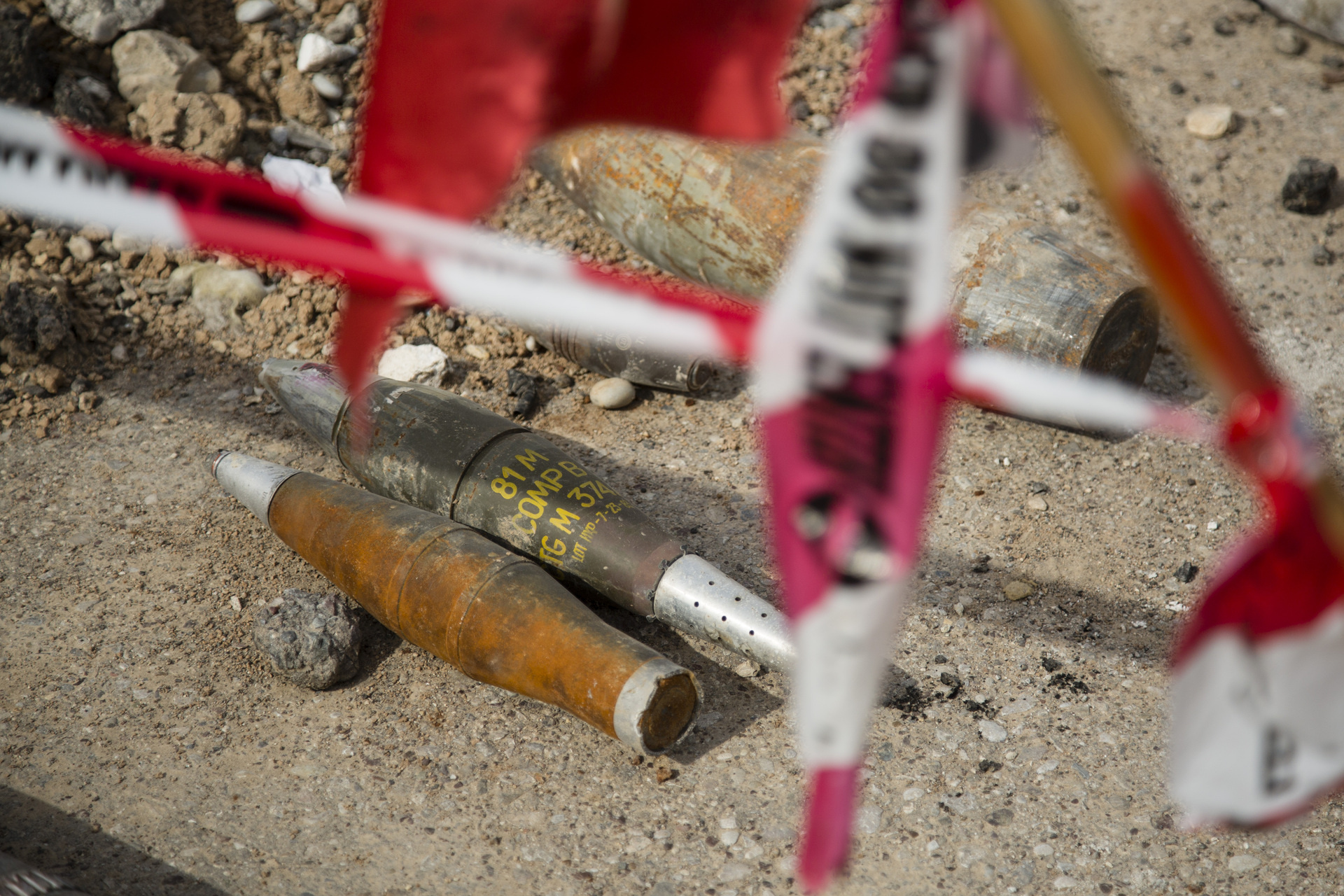
Depleted uranium (DU) is a byproduct of the uranium enrichment process used in nuclear power plants and weapons production. DU has been used in medical and industrial applications for decades but since its use in recent military conflicts public concern been raised about potential health consequences from exposure to DU.
/environment-climate-change-and-health-(ech)/radiation-and-health-(rad)/dsc05929c4955aee7bb74f19867e568303ae1d42.jpg?sfvrsn=e92215b5_2 "Food market in Pohnpei")
Radionuclides, which are radioactive isotopes, can be found in both food and drinking water due to natural processes and human activities. These substances may enter the food chain through root uptake from contaminated soil, atmospheric deposition onto crops, or transfer through water pathways.

Radon is a chemically inert, naturally occurring, radioactive gas. It has no smell, colour, or taste, and is produced from the natural radioactive decay of uranium which is found in rocks and soil.
Publications
Management of radioactivity in drinking-water
Chapter 9 of the WHO Guidelines for Drinking-water Quality (GDWQ) provides guidance related to radiological aspects of drinking-water. Management...
The fourth edition of the World Health Organization’s (WHO) Guidelines for drinking-water quality (GDWQ) builds on over 50 years of guidance by WHO...
WHO guidelines for indoor air quality: selected pollutants
This book presents WHO guidelines for the protection of public health from a number of chemicals commonly present in indoor air. The substances considered...
WHO handbook on indoor radon: a public health perspective
The handbook book focuses on residential radon exposure from a public health point of view and provides detailed recommendations on reducing health risks...
This scientific review on depleted uranium is part of the WHO's ongoing process of assessment of possible health effects of exposure to chemical, physical...
World Health Assembly fifty-fourth session, provisional agenda item 13.10
Report of the World Health Organization Depleted Uranium Mission to Kosovo: 22 to 31 January 2001
The Director-General of the World Health Organization (WHO) received a request for assistance from the Special Representative of the Secretary-General...
WHO guidance on exposure to depleted uranium: for medical officers and programme administrators
These recommendations, produced but the World Health Organization in conjunction with the United Nations Joint Medical Service, are for medical officers...