/59748.tmb-300v.png?sfvrsn=9885965b_2 "For the future - publication thumbnail")
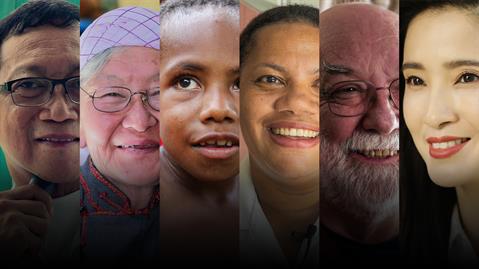
“When people visited health centres, they told us they felt suffocated and tight in their chest,” said Seng Sameth, a health worker in Oddar Meanchey province.
While the symptoms described – chest tightness, exhaustion, and breathlessness – appeared physical, Samath said they were not always caused by a physical illness. “Anxiety, depression, and trauma-related conditions are the most common issues I have noticed among people in my area,” added Sameth.
Across Cambodia, people living through hardship, whether displacement, loss of income, poverty, or chronic illness, often manifest psychological distress through physical symptoms. Anxiety may surface as chest discomfort while prolonged stress may contribute to dizziness, fatigue, or sleep disturbance. Without the right support, these underlying mental health factors can go unrecognized or unaddressed for years.
The border conflict in 2025, which displaced approximately 650 000 people at its peak, brought these struggles to light. But the need for trauma-informed care extends far beyond emergency situations.
This is why integrating trauma-informed counselling into primary health care is increasingly essential.
Bringing mental health care closer to people
For many Cambodians, health centers are an important point of contact with the formal public health system.
Frontline health workers therefore play a critical role. When trained to recognize the signs of trauma and emotional distress, they can respond with empathy, provide psychological first aid, or make referrals when needed. While temporary mental health services can help address urgent needs, sustainable solutions must be embedded into everyday health care.
Building trauma-informed counselling into primary health care
In August 2025, the Ministry of Health began the development of a national post-conflict recovery plan for mental health and psychosocial support with support from the World Health Organization (WHO). A key part of this plan is rolling out trauma-informed counselling guidelines and training frontline health workers, local NGO workers and Village Health Support Groups (VHSGs) in psychological first aid.
“The goal of the initiative is to ensure that mental health care is available in both displacement camps and health centres, even long after the emergency response ends,” said Dr Marianna Trias, WHO Representative to Cambodia.
“The approach is rooted in WHO primary health care principles, ensuring that basic health services are inclusive and available closer to where people live as much as possible,” she added.
Following the training, the provincial health departments will also work with the VHSGs to share mental health self-care tips to regularly promote in their communities, ensuring care reaches people beyond health facilities.
Supported by the WHO, the programme is currently implemented in Banteay Meanchey, Oddar Meanchey, and Preah Vihear provinces.
“The initiative aims to strengthen health professionals’ understanding of the mental health impacts of traumatic experiences and to promote the use of trauma-informed, ethically grounded counselling practices that focus on psychological safety and respect and minimize the risk of re-traumatization when providing counselling to affected individuals,” said Dr Chhit Sophal, Director of the Department of Mental Health and Substance Abuse, Ministry of Health.
“It also equips health workers to respond to the mental health needs in a sustainable way, recognizing that trauma and mental health concerns cannot be resolved through a one-time intervention. While mental health specialists may not be available in every setting, primary care facilities should remain accessible to all.”
/countries/cambodia/who-khm_schisto_villagers-interacting_05.jpg?sfvrsn=9f15d259_3 "WHO KHM_Schisto_Villagers Interacting_05")
Two Cambodian grandmothers sit together in conversation, highlighting how community support plays a vital role in maintaining emotional well-being. © WHO / Monika Mey
Understanding trauma across generations
Cambodia’s population carries deep psychological scars from decades of violence and instability. For many older people, trauma experienced earlier in life can resurface later, especially during periods of stress.
“The older people are the most affected. They experienced it when they were young. Now, they are going through it again,” reported Sameth, a health worker who has seen firsthand how conflict affects people’s well-being especially older people.
“Treatment for older populations should be taken with extra care,” said Dr Yel Daravuth, Technical Officer at WHO Cambodia. “Past experiences of war and displacement can resurface, triggering memories and reopening psychological wounds. For many older adults, day-to-day survival and caring for family often take priority, which can make attending to mental health needs more challenging.”
Taking Cambodia’s historical and cultural context into account, WHO has been working with the Department of Mental Health and Substance Abuse of the Ministry of Health to shape national mental health guidelines that reflect the country’s experience, including the development of training curriculum and revision of Minimum Package of Activities for Mental Health. This is part of WHO’s broader role in ensuring mental health support is not only responsive in emergency settings but also sustainable in long-term care.
From emergency response to long-term mental health care
Alongside its broader emergency health support, including medical supplies, disease surveillance and vaccination activities, WHO is helping ensure that mental health remains part of the recovery agenda.
The integration of trauma-informed counselling into health centres marks an important shift – from viewing mental health as a crisis-only concern to recognizing it as a core component of overall health and well-being.