Development of the Strategy: Ageing is Living
People across the WHO European Region are living longer – but added years are not always lived in good health.
Adopted by Member States at the 76th session of the WHO Regional Committee for Europe, Ageing is Living: A Strategy for Promoting a Lifetime of Health and Well-being in the WHO European Region 2026–2030 provides a shared direction for healthier ageing.
Why does it matter?
People aged 60 years and older represented 23.9% of the Region’s population in 2024. By 2050, their number is projected to increase by 50%, while the number aged 85 and older will more than double.
Longer lives are a major achievement. However, preventable disease, functional decline, inequity and fragmented care are placing growing pressure on people, families, and health and long-term care systems.
Healthy ageing means maintaining the functional ability to be and do what matters, supported by systems and environments that promote health, dignity, autonomy and participation.
What does the Strategy call for?
The Strategy combines action for older persons today with investment in healthier ageing throughout life. Its four strategic policy actions are:
- prioritizing health promotion and disease prevention
- transforming health and care systems
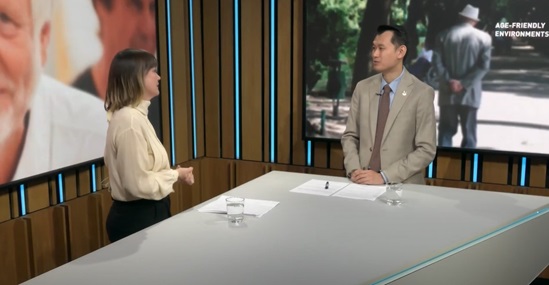
- creating age-friendly environments
- challenging ageism.
These actions are supported by leadership and workforce capability, investment, innovation, and better data and evidence.
The Strategy promotes integrated, person-centred care connecting prevention and treatment with rehabilitation, reablement, long-term care and palliative care. It also calls for stronger community- and home-based services and support for caregivers.
The WHO Regional Office for Europe works with Member States, subnational authorities, older persons, civil society, United Nations partners, WHO collaborating centres and other partners to translate these commitments into action.
How was it developed?
Between January 2025 and August 2026, more than 3000 people contributed to strategy development through public hearings, Member State consultations, and engagement at national and subnational levels.
A Member State advisory committee comprising Finland, Hungary, Italy, Malta, Portugal, Slovakia, Sweden, Türkiye, the United Kingdom and Uzbekistan provided sustained guidance and tested the Strategy against national and regional realities.
The process transformed evidence and experience into focused actions designed to be practical across all 53 Member States in the Region.